
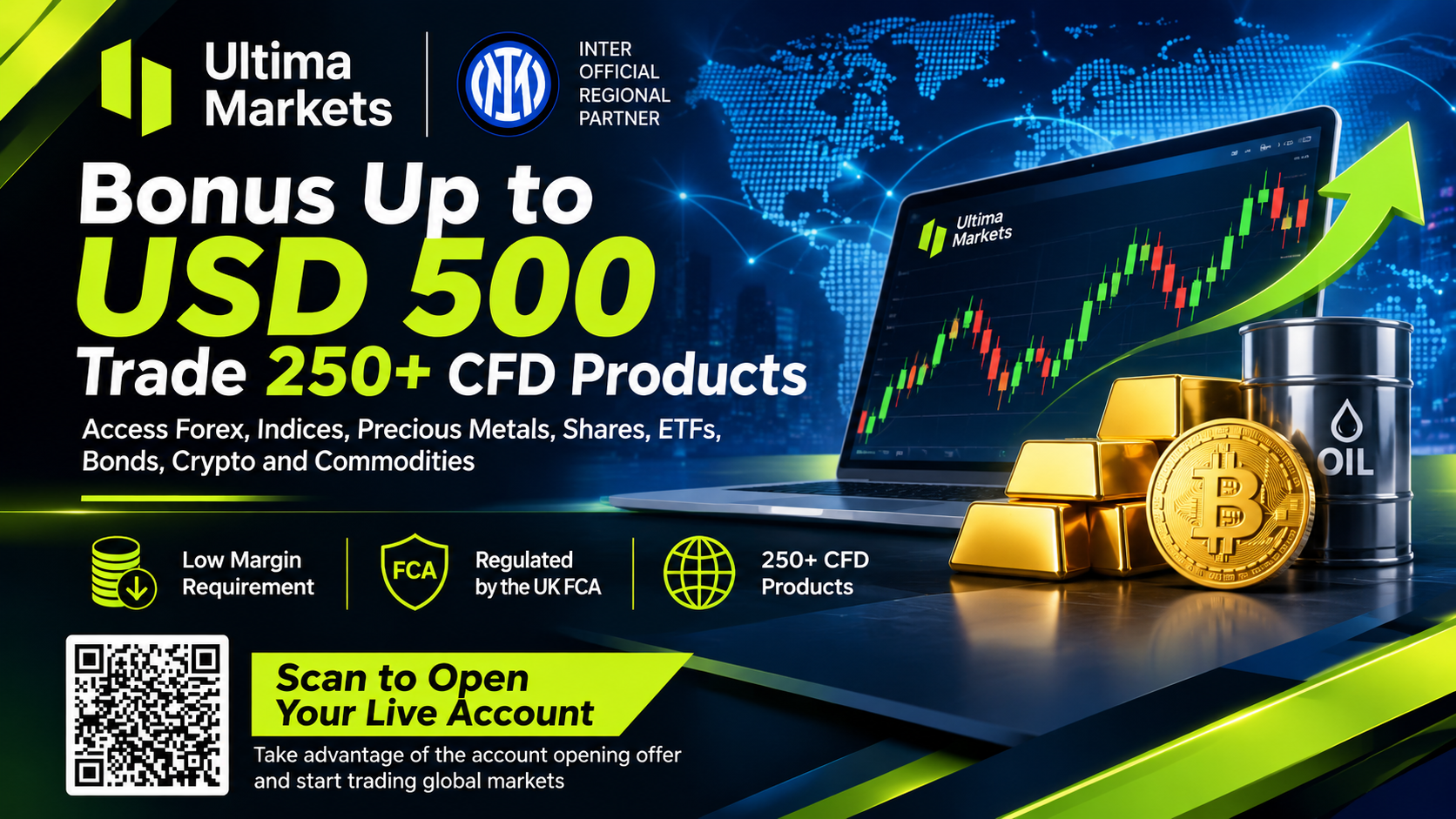

Financial markets around the world offer a wide range of opportunities across currencies, commodities, indices, shares and digital assets. Traditionally, accessing different markets could require multiple accounts, specialized services and separate trading tools. Modern multi-asset trading platforms have simplified this process by bringing several financial instruments together within a single online environment.
A multi-asset trading platform allows users to monitor and trade different markets through one account and trading interface, depending on the instruments and services offered by the provider. This can make it easier to follow global market developments and compare opportunities across different asset classes.
However, greater market access also means greater exposure to financial risk. Traders should understand each instrument, its costs and its risks before opening positions.
What Is a Multi-Asset Trading Platform?
A multi-asset trading platform is an online trading environment that provides access to multiple categories of financial instruments through one account or ecosystem. Traders can explore the features available through the Ultima Markets trading platform for online market participation.
Depending on the provider, these markets can include:
- Forex currency pairs
- Gold and other precious metals
- Oil and other commodities
- Stock indices
- Share CFDs
- Cryptocurrency CFDs
Instead of focusing on one financial market, traders can use a multi-asset platform to monitor different markets and potentially diversify their trading activities.
Many platforms also provide tools such as interactive charts, technical indicators, economic calendars, market analysis and different order types to help users evaluate market conditions.
How Multi-Asset Platforms Connect Traders With Global Markets
Global financial markets operate across different regions and time zones. Currency markets, commodity exchanges, stock markets and other financial markets can react to economic announcements, geopolitical developments and changes in investor sentiment.
A multi-asset platform can provide a centralized interface where traders monitor price movements across several markets.
For example, a trader might follow the EUR/USD currency pair, gold prices and a major stock index from the same platform. This makes it easier to observe how different markets are responding to major economic developments.
The actual instruments, trading hours, leverage and execution conditions depend on the provider and applicable regulations.
Advantages of Multi-Asset Trading Platforms
1. Access to Multiple Financial Markets
One of the biggest advantages is the ability to access different asset classes through a single trading environment.
A trader interested in currencies can explore Forex, while another may want to monitor commodities, precious metals, indices or cryptocurrency markets.
Having multiple markets available can make it easier to compare different opportunities instead of relying exclusively on one type of financial instrument.
2. Greater Market Diversification
Access to several asset classes can support a more diversified trading approach.
For example, a trader may follow currencies, commodities and indices rather than concentrating entirely on one currency pair. Different markets can respond differently to economic events, although diversification does not eliminate the possibility of losses.
It is important to understand that assets can also become highly correlated during periods of significant market stress.
3. Convenient Account Management
Using a single multi-asset platform can simplify account management.
Instead of maintaining separate accounts for different types of instruments, users may be able to manage several markets from one account, depending on the provider’s structure.
This can make it easier to monitor balances, open positions, transaction history and trading activity.
4. Centralized Market Analysis
Multi-asset platforms often provide charts and market information for different instruments within the same interface.
A trader can compare currency movements with commodities, indices or other available markets without constantly switching between unrelated systems.
This centralized approach can help traders organize their research and monitor developments across several markets.
5. Access to Different Trading Opportunities
Different asset classes can behave differently depending on economic conditions.
For example, currency markets can react strongly to central bank decisions, while oil prices can respond to supply and demand developments. Gold may be influenced by interest rates, inflation expectations and market uncertainty, while stock indices can react to corporate earnings and economic growth expectations.
Having access to multiple markets allows traders to study different types of market behavior.
6. Modern Trading Technology
Many multi-asset platforms provide access through desktop applications, web-based platforms and mobile applications.
Platforms such as MetaTrader 4 and MetaTrader 5 can provide tools for chart analysis, order management and technical indicators, depending on how they are configured by the trading provider.
Web-based and mobile access can also make it more convenient to monitor positions and market developments while away from a desktop computer.
7. Flexible Trading Tools
Multi-asset platforms commonly provide various order types and analytical tools.
Depending on the platform, traders may have access to:
- Market orders
- Limit orders
- Stop orders
- Stop-loss functionality
- Take-profit functionality
- Technical indicators
- Price charts
- Economic calendars
- Market analysis
These tools can help traders structure and monitor their trading decisions, although no tool can guarantee a particular outcome.
8. Opportunities Across Different Time Zones
Global financial markets operate according to different regional trading schedules.
A multi-asset platform can give traders access to instruments connected with markets in different parts of the world. This can be useful for individuals who want to monitor financial markets beyond their local trading hours.
However, traders should always check the specific trading hours and holiday schedules for each instrument because availability can vary.
Understanding Different Asset Classes
Before using a multi-asset platform, it is important to understand how different markets work.
Forex
Forex involves trading currency pairs such as EUR/USD, GBP/USD and USD/JPY. Currency prices can be influenced by interest rates, inflation, employment data, central bank policies and geopolitical developments.
Commodities
Commodities include markets such as crude oil and other raw materials. Prices can be influenced by global supply and demand, production levels, weather conditions and geopolitical events.
Precious Metals
Gold and silver are widely followed financial markets. Their prices can respond to interest rates, currency movements, inflation expectations, industrial demand and investor sentiment.
Stock Indices
Stock indices represent groups of companies and provide a way to follow broader equity markets. Examples include the S&P 500, NASDAQ 100, FTSE 100 and DAX.
Share CFDs
Share CFDs allow traders to speculate on the price movements of individual companies without directly owning the underlying shares. Availability depends on the trading provider and applicable regulations.
Cryptocurrency CFDs
Some platforms provide CFDs based on cryptocurrencies such as Bitcoin and Ethereum. These markets can experience substantial price volatility, making risk management especially important.
The Role of Leverage in Multi-Asset Trading
Many CFD trading platforms offer leveraged products. Leverage allows traders to control a larger market position with a smaller amount of capital used as margin.
For example, a leverage ratio of 1:100 may allow a trader to control a position with a notional value of $10,000 using $100 of margin, subject to the provider’s conditions.
However, leverage does not reduce the underlying market risk. Instead, it increases exposure relative to the amount of capital committed as margin. A relatively small price movement in the wrong direction can therefore result in significant losses.
Leverage limits can also vary depending on the instrument, jurisdiction, client classification and regulatory requirements.
What Should Traders Consider Before Choosing a Platform?
Not every multi-asset platform offers the same services. Before opening an account, traders should carefully evaluate several factors.
Regulation
Check the legal entity providing the service and verify its authorization with the relevant financial regulator. Users interested in precious metals can research gold and silver CFD trading opportunities.
Available Instruments
Review whether the platform offers the specific markets you want to follow, such as Forex, gold, oil, indices or cryptocurrencies.
Trading Costs
Compare spreads, commissions, overnight financing charges and other applicable costs.
Platform Technology
Consider whether the provider offers desktop, web and mobile trading options and whether the available tools meet your requirements.
Account Types
Different account types may have different spreads, commissions, minimum deposits and trading conditions.
Risk Management Features
Check which risk management tools are available and understand their limitations before using them in live trading.
Multi-Asset Trading and Risk Management
Access to multiple markets can provide flexibility, but it does not remove financial risk.
Traders should understand the characteristics of every instrument before opening a position. Leveraged CFDs can result in losses that are substantial relative to the initial margin.
A responsible approach may include setting appropriate position sizes, understanding margin requirements, monitoring open exposure and avoiding excessive leverage.
It is also important to avoid assuming that diversification guarantees protection from losses. Several markets can move in the same direction during periods of major economic or geopolitical uncertainty.
Conclusion
Multi-asset trading platforms have made global financial markets more accessible by bringing different instruments into a single online trading environment. Depending on the provider, traders may be able to access Forex, commodities, precious metals, indices, shares and cryptocurrency CFDs through one platform.
Key Advantages at a Glance
- Multiple markets: Access different financial instruments from one trading environment.
- Convenience: Manage available markets through a centralized account.
- Diversification: Explore different asset classes instead of focusing on a single market.
- Market analysis: Compare price movements and economic developments across markets.
- Trading technology: Use desktop, web and mobile platforms where available.
- Flexible tools: Access charts, indicators and different order types.
- Global access: Monitor financial instruments connected with markets across different regions.
Despite these advantages, multi-asset and leveraged trading products involve significant risks. Traders should research the provider, understand the applicable costs and regulations, learn how each instrument works and use appropriate risk management before participating in live markets.
